The phrase turns up on covers, in reviews and on shelf labels, and it rarely arrives with an explanation. A reader is left to work out whether it means a fantasy novel with literary ambitions, a family story with one strange event in it, or something else with no clear rules. This guide takes the term apart in ordinary language, shows where it came from, separates it from the modes it is confused with, and looks at which books on this publisher’s list actually carry it.
What Is Magic Realism in Fiction?
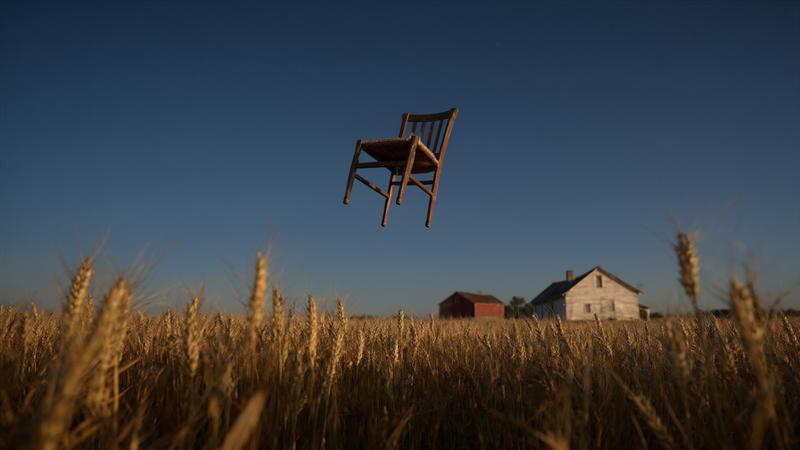
Asked what is magic realism in fiction, most critics reach for the same short answer: impossible events told in a tone of complete ordinariness. The narrator does not pause to wonder, the characters do not gasp, and nothing in the prose shifts register when a dead man keeps talking or a girl rises into the air. The fantastic element is not a marvel to the people living beside it. It is simply true in that world, the way weather is true.
The useful test is tone, not content. If the storyteller stops to explain how the impossible works, or the other characters react as though nature had been violated, the book is doing something else, usually fantasy. If the impossible arrives inside a recognizable town, among people worrying about money, the mode is at work, whatever the cover calls it. That is why the label describes a way of telling rather than a subject. The press describes its list as stories of imperfect people seeking the good, and its authors as writing about people who have run out of the ordinary way forward. A mode that takes the impossible as ordinary lets a writer press on a life without turning the book into a fable with a lesson attached.
Where the Term Comes From
The phrase did not begin with fiction. German critics in the 1920s used it for painting: canvases that put an uncanny or dreamlike subject in front of the viewer with calm, almost documentary realism. The unnerving part was the flatness. Nothing in the technique announced that the scene was strange, so the strangeness had to sit in the subject itself, unexplained.
When the term moved to fiction, Latin American novelists of the mid twentieth century gave it the shape most readers recognize: impossible events narrated in the same breath as births, debts and weather. Gabriel García Márquez’s One Hundred Years of Solitude, Isabel Allende’s The House of the Spirits, Salman Rushdie’s Midnight’s Children and Toni Morrison’s Beloved are the books most often named, and the Cuban novelist Alejo Carpentier had argued as early as 1949 for a marvelous real that belonged to the Americas rather than to invented fantasy. Critics still disagree about where the mode begins and ends, which says something about how much it is a description rather than a rulebook.
How Magic Realism Differs From Fantasy, Science Fiction, and Allegory
The modes most often confused with it are fantasy, science fiction, allegory and, at the edge, horror. The differences tend to come down to explanation.
- Fantasy builds a second world with its own rules and usually lets the reader see the rules at work.
- Science fiction supplies a mechanism, whether technology, experiment or natural law pushed one step further.
- Allegory fixes a meaning, so the figure on the page stands for something and the story reads that way from start to finish.
- Tales of the uncanny and of horror ask the reader to be uneasy about the impossible, where magic realism asks the reader to accept it.
None of these lines is a border wall, and plenty of books borrow from more than one, but the distinction buys a reader expectation. In a magic realist book you can count on a recognizable street, a plain narrator, and an impossible fact that nobody in the story thinks needs defending. Waiting for the explanation that never comes is the most common way to misread one.
How to Read a Magic Realist Book Without Looking for a Trick
The method is simpler than it sounds. Accept the impossible as given, the way you accept that a character has a sister, then watch what the image is arguing. A woman who cannot die is not a riddle to solve; she is a claim about memory, or guilt, or what a family refuses to bury. Keep one eye on the ground the story stands on too, because the mode is rarely decorative. Who holds power, who is poor, whose account is being told: those questions sit close to the surface, and the impossible can carry them where a plain account would strain.
In practice, that means reading for pattern instead of cause. Notice which wonders recur and who sees them. Notice what the ordinary world does with them, since officials and neighbors tend to absorb the impossible without fuss. When a scene refuses to resolve, the refusal is often the point rather than a gap.
Magic Realism Books by John Leslie Hart
This is the writer the publisher names when it discusses the mode. Readers looking for magic realism books by John Leslie Hart are pointed to a body of work in which the impossible is used with restraint rather than as spectacle, and a fuller guide to John Leslie Hart’s books lays out the themes that run through them: farm life, inner conflict, and the moral weight of ordinary decisions. He worked as a newspaper photographer and later as an editor, traveled to more than 40 countries, raised six children, and has served as a lay religious leader.
This Our Faith is the clearest instance. A farm wreck leaves Sydney’s young brother lying in the wheat chaff, still and bloody, and Sydney has already seen that scene obsessively, weeks before it happens. The family is struggling to pay doctor bills and keep the farm, and he sees another future he feels he must change. Changing it means risking his life in the worst storm in years, which is where the faith he has been arguing with becomes something he has to act on. The premonition is never explained, and nobody in the story asks for evidence of it. It is the condition Sydney has to live inside.
Marry Up! carries the same mode in comic dress. Farmer Og, afraid of intimate relationships, cannot bring himself to court the woman he loves, and when he admits to a passing psychiatrist that he has been seeing an elf, he is told the elf is his inner child and that he should listen to it. The printed advice is then twisted by townspeople for their own entertainment, until he turns the tables, and Og’s sincerity carries him through a run of misadventures. The card calls the book an amusing mental counseling allegory, which is fair warning about the register. A third title, Brady’s Journey: Touching on Pridefulness, sits under Spiritual Help and builds its card from contrasts between self-love and pridefulness, open against closed, forgiving against condemning. It belongs with the allegories rather than the magic realism.
Jacob Marley Publications Magic Realism Books: Where the Label Reaches
Seen as a group, Jacob Marley Publications magic realism books amount to a short list rather than a category the whole catalog belongs to. The press is a home-based independent publisher in Kaysville, Utah, with fourteen titles across two series and seven standalone works by six writers, and the term attaches to one writer’s fiction. The name comes from Dickens’s Jacob Marley, the miser who reforms after death, and the press gives its own account of why it chose it: books that can work as mirrors. The catalog is original fiction with no connection to that story.
Into the Seed by Sherman Hart shows why the label and the mode are not the same thing. Its card calls it A 1970s Flower Child Book and describes a zany adventure at every corner: John discovers a world where nothing is as it seems, from cookies that scream when bitten to ice cream cones hanging in the sky that turn out to be something else, and an uppity turtle who invites others inside her shell for tea. Every one of those images is the kind of impossible event the mode narrates without fuss, and the card never uses the term. A reading guide to Into the Seed by Sherman Hart takes the images one at a time. The gap is the instructive part: a description can show the mode without ever naming it. The press also says that every book it publishes is read closely by the people whose name is on the company.
What the Label Does Not Cover
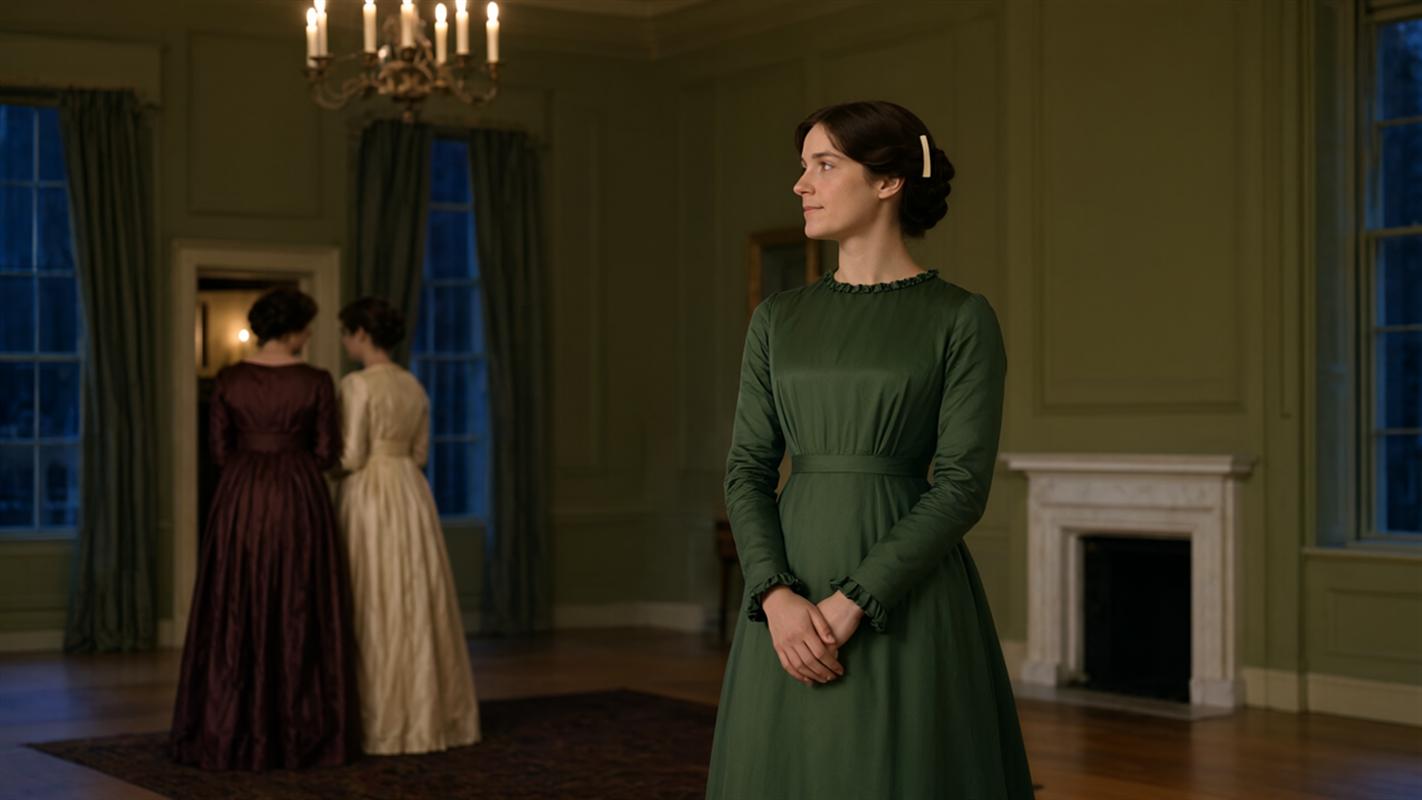
Most of the shelf sits outside the mode, and the catalog’s own category names say so. Voices of Victorian Women is four novels by Kate L. Hart set in 1840s England, each standing on its own, and the reading order for the Voices of Victorian Women series explains how the four connect. The Reality Show is three novels by the same author built around a televised contest. Treacherous Secrets by Ryviera Shayne is action romance. All My Friends Are Felons by Mark Hugentobler is a prison reform account, following a coach and administrator made academy principal at the Central Utah Correctional Facility in Gunnison, Utah. For the Latter-day Saint in Crisis by John Waterbury is spiritual help, written by a licensed professional counselor.
That matters to a reader buying on a label. The categories on the books page are specific for a reason, since Farm Life, Spiritual Help, Prison Reform, Action Romance, Women’s Historical Literature and Reality Show each describe what is inside, and the mode is a way of telling a story rather than a subject the shelf is built around. A title can sit under Farm Life and carry the mode, as This Our Faith does. Reading the category first and the style second is the safer order.
Who the Mode Suits
It tends to suit readers who like fable, allegory and suggestion, and who are content to hold an unresolved image for a while. It suits less well anyone who wants a documented decade, an explained system of magic, or a stated moral at the end. Those are fair wants, and the catalog has titles that meet them, from the Victorian novels to the prison reform account. The catalog’s author, series and theme map is the quicker route for a reader who would rather choose by subject than by style.
Key Takeaways
A few points are worth carrying away.
- The mode is defined by tone: impossible events narrated plainly, without surprise, explanation or a change of register.
- The phrase began in 1920s art criticism and took its modern shape in mid-century Latin American fiction before traveling further.
- It differs from fantasy and science fiction by withholding machinery, and from allegory by refusing a fixed one-to-one meaning.
- Reading it well means accepting the impossible as given, watching what the image argues, and keeping the social ground in view.
- On this list the term attaches to John Leslie Hart’s fiction, while Into the Seed shows the mode without the label and most other titles sit in realist or help categories.
Conclusion
Magic realism asks a reader to trust an image long enough to hear its argument, and that is a different request from the one most genre labels make. No map of the magic system is coming, and no reveal will sort the impossible into a rule. What arrives instead is a recognizable world with one impossible thing in it, and characters who have to keep living there. Jacob Marley Publications publishes that kind of fiction in a small, deliberate list, and the full catalog shows how the labeled books sit beside everything else.
⚠️ File-mutation verifier: 1 file edit(s) FAILED this turn despite any wording above that may suggest otherwise. Run `git status` or `read_file` to confirm what actually landed.
• `/home/richard/.hermes/cache/scratch/grab_payload.py` — [write_file] Refusing to overwrite `/home/richard/.hermes/cache/scratch/grab_payload.py`: `/home/richard/.hermes/cache/scratch/grab_payload.py` exists but this task has not seen its full current c…